








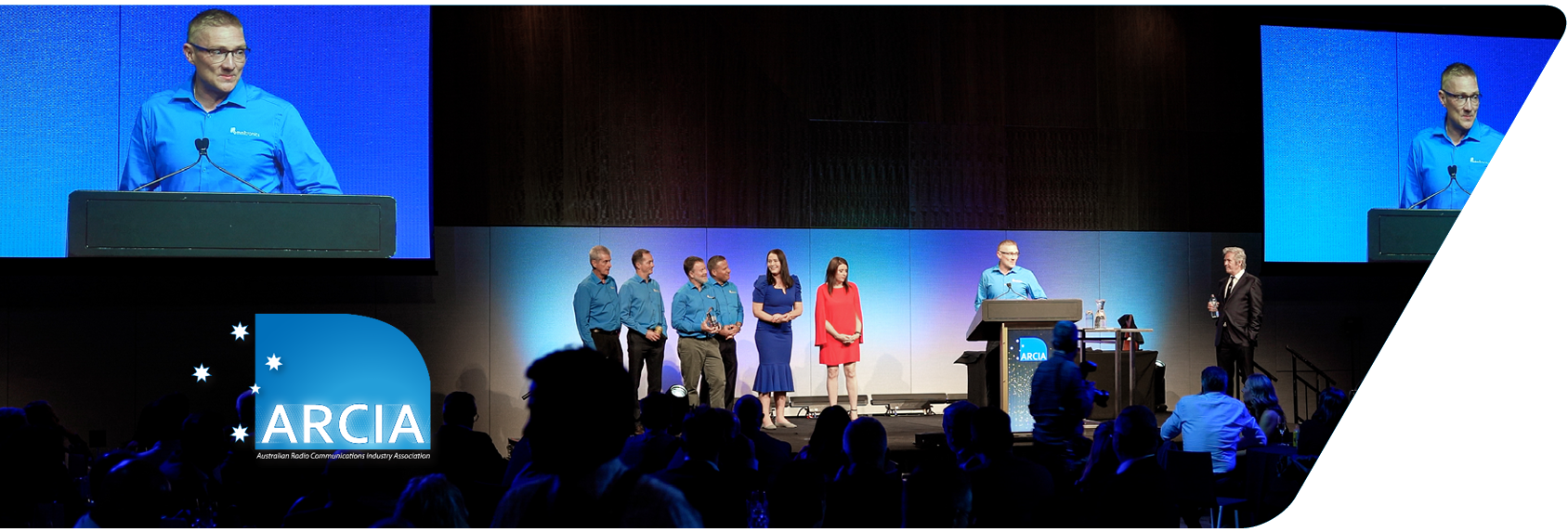

DRG100 Digital Radio Gateway wins ARCIA Industry Excellence Award
Omnitronics DRG100 Digital Radio Gateway wins ARCIA Industry Excellence Award
Omnitronics DRG100 Digital Radio Gateway wins ARCIA Industry Excellence Award in the Local Manufacturing Category. Read More
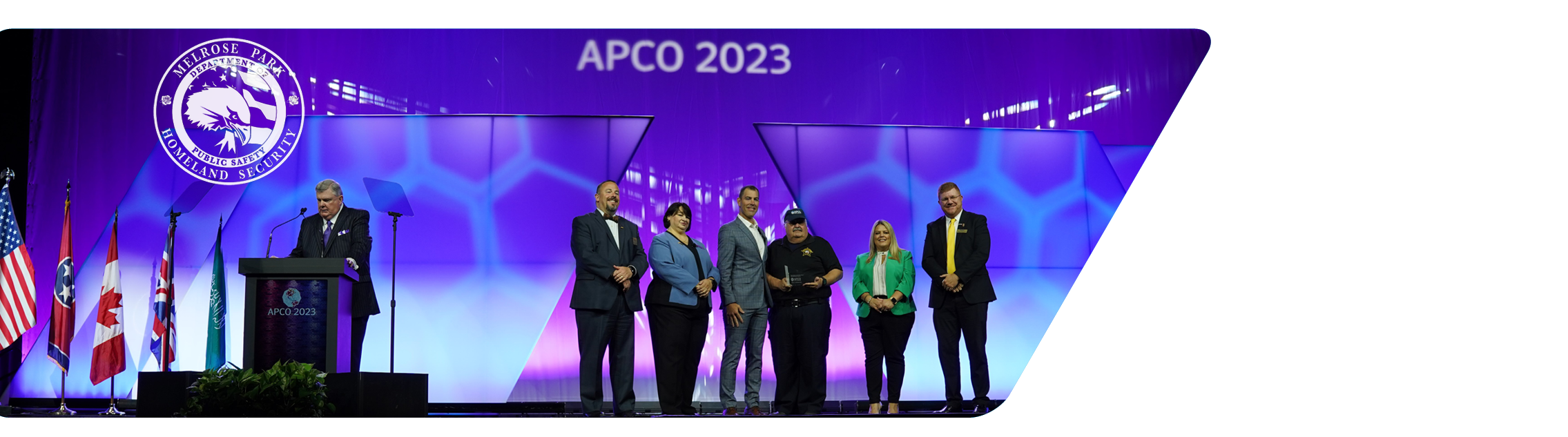
omnicore Dispatch wins APCO Technology Award
omnicore Enterprise Dispatch wins APCO Technology Leadership Award
omnicore Enterprise Dispatch solution at Village of Melrose Park
wins APCO International Technology Leadership Award

Mission-Critical Dispatch
Mission-Critical: Express Dispatch
Highly feature-rich dispatch for small organizations
Big attitude with a small price-point!


We've invested over 40 Years to simplifying radio communications.

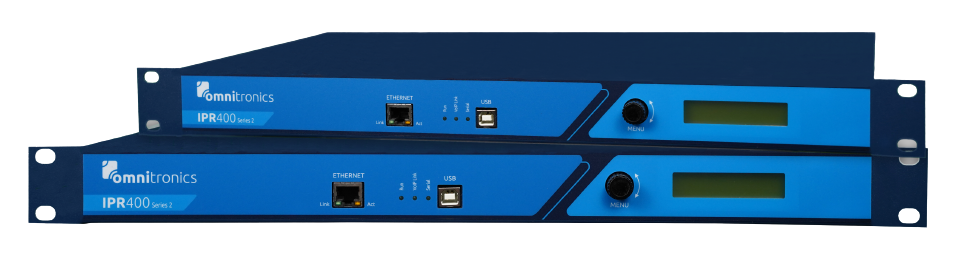
A 2-in-1 analog interoperability and RoIP gateway that makes it super easy to interconnect different radios reliably and fast.
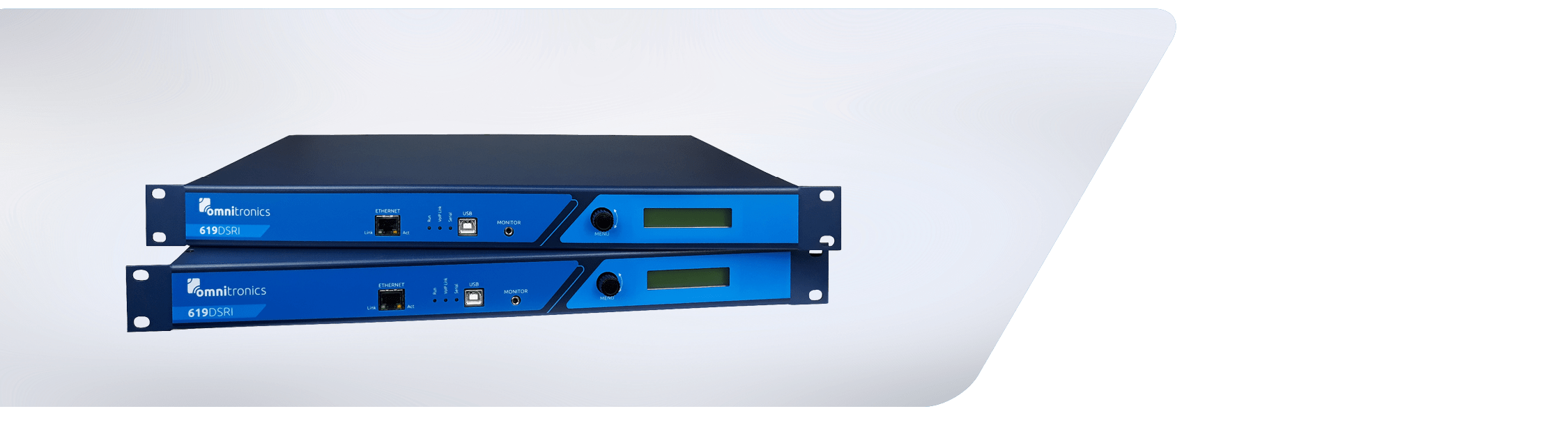
Smart, flexible and dynamic. A highly configurable gateway that allows you to connect in more ways than ever before.

Peace of mind with 24/7/365 global support.
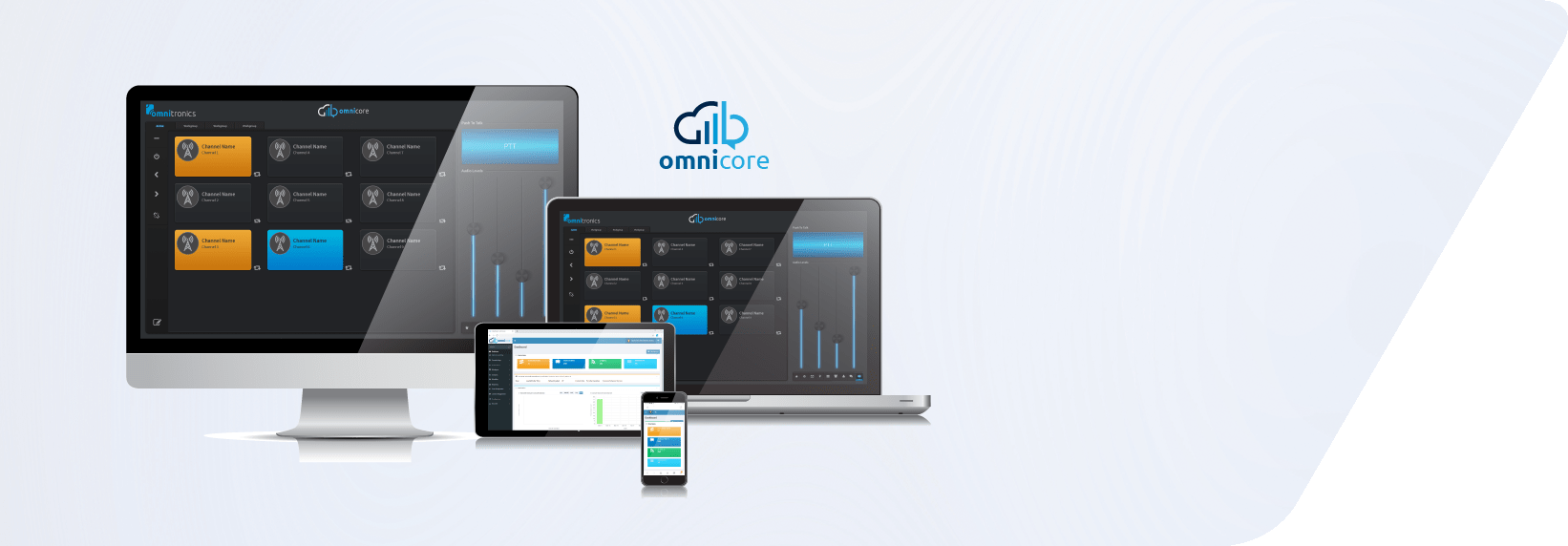
Mission-Critical Dispatch
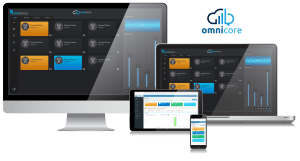
Mission-Critical Enterprise Dispatch
Mission-Critical Radio Dispatch for Server, Site or Cloud -
YES! Operators CAN work from home!

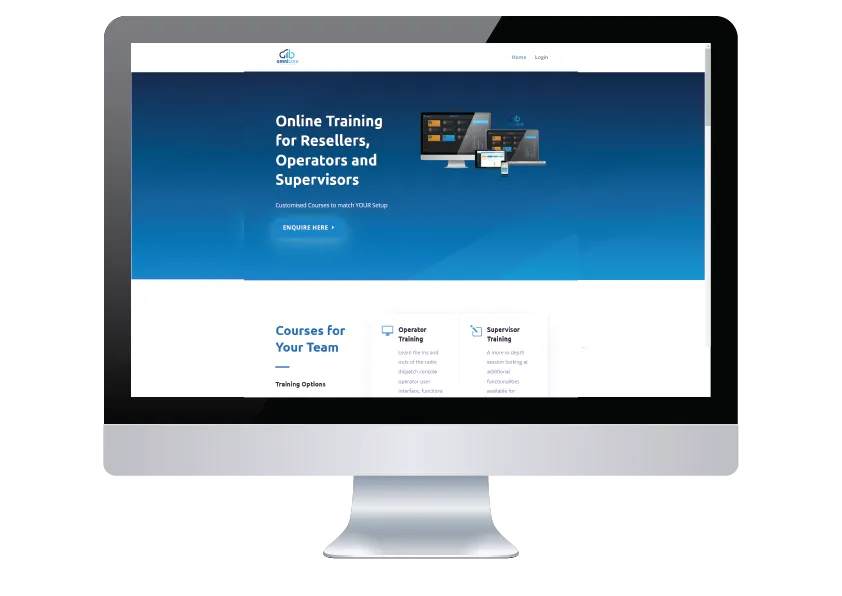
Online Training
Online Operator, Supervisor, and Technical Training
Online Operator, Supervisor, and Technical Training
On-Demand 24/7/365



Omnitronics Expertise
Mission-Critical Communications Made Easy
Operating 24/7 in the control and command centres and radio infrastructures of some of the world’s most vital organizations.
Ready to implement out of the box OR customizable to suit unique needs. We make it work. Easy.

Dispatch
Powerful and simple to use radio dispatch systems for organizations of all sizes

Radio over IP
Flexible solutions for both analogue and digital radio. Interconnecting radio users, dispatchers and systems
Interoperability
Across frequency band, analog and digital, radio protocol and manufacturer
Testimonials
Hear From Our Customers
Video
About Omnitronics
Established by a group of highly experienced engineers in 1981, Omnitronics’ goal was to improve the efficiency of two way radio systems.
Since then we’ve become a specialist provider of radio dispatch systems, interoperability, and communications management products specifically tailored to the individual requirements of every customer.
40+Years Young
Young enough to be flexible, old enough to know the ropes
14 600Gateways
Have helped our clients connect & unify
9 800Dispatch Positions
Mission-critical communications made easy
43Countries
Omnitronics products and solutions are installed all over the world
We’ll find the perfect system for your individual needs.
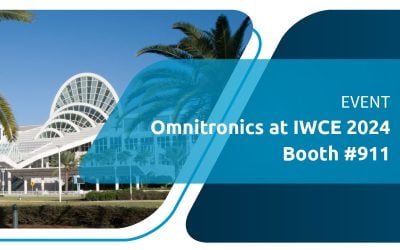
EVENT | Omnitronics at IWCE 2024
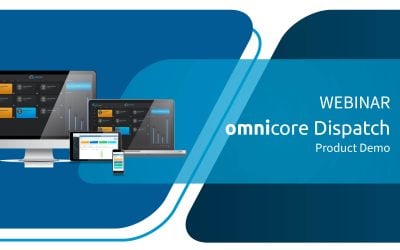
WEBINAR | omnicore Dispatch Product Demo

CASE STUDY | omnicore Dispatch Unifies Disparate Networks Across the Country
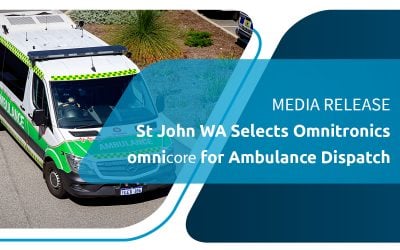
MEDIA RELEASE | St John Ambulance implements omnicore Dispatch

ON DEMAND WEBINAR | Discover omniacademy

ON DEMAND WEBINAR | Unifying Disparate Networks Across the Country: Surf Life Saving New Zealand